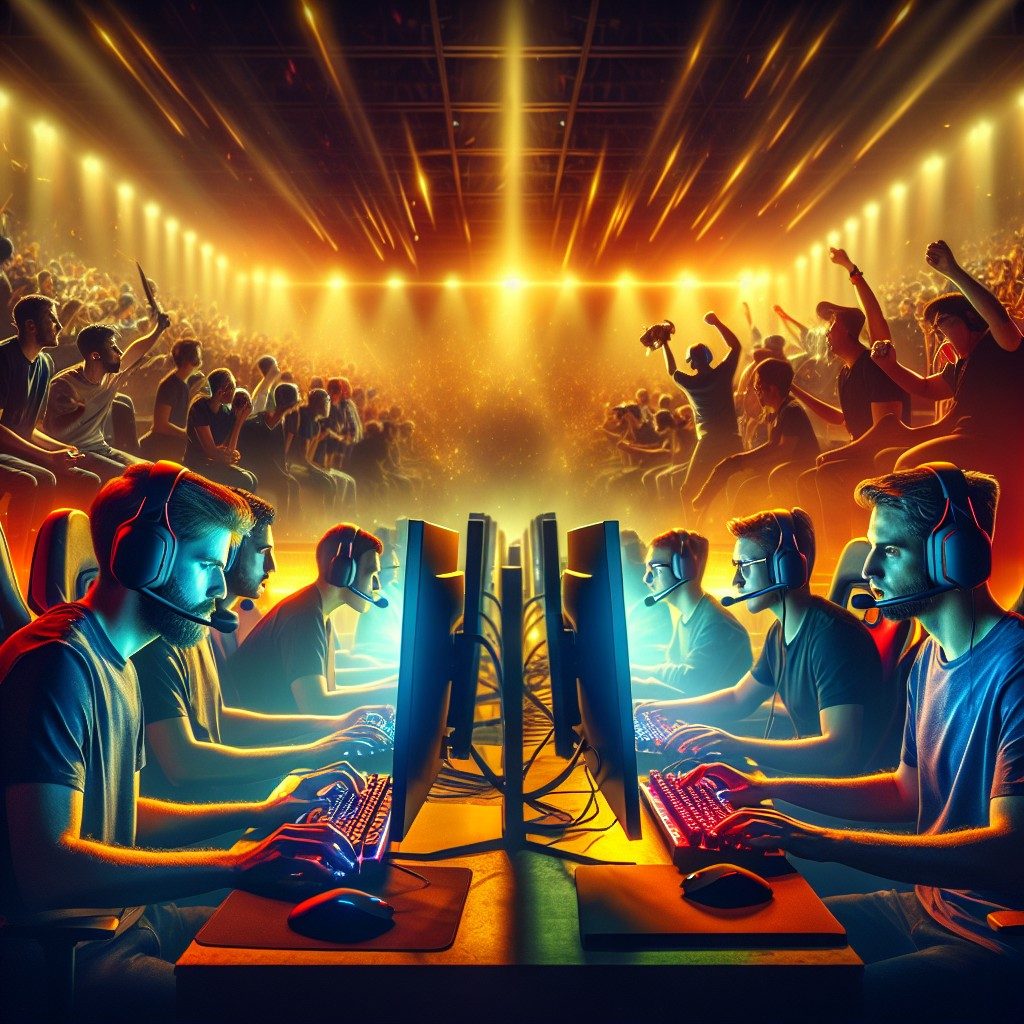
In recent years, esports has experienced significant growth worldwide, and Romania is no exception. The country is rapidly becoming a notable hub for competitive gaming, with increasing player participation, audience engagement, and investment from local and international organizations. This article explores the factors contributing to the rise of esports in Romania and its implications for the broader gaming community and economy.
Expansion of the Romanian esports Scene
Romania’s esports community has expanded considerably due to improved internet infrastructure and wider access to gaming technology. Popular titles like Counter-Strike: Global Offensive, League of Legends, and Dota 2 have garnered dedicated player bases. Numerous amateur and professional teams have emerged, competing regularly in national and regional tournaments. This surge is supported by game developers and esports organizations that recognize Romania’s potential as an emerging competitive market.
Infrastructure and Event Development
The growth of esports in Romania is also tied to the development of venues and events tailored to competitive gaming. Cities such as Bucharest and Cluj-Napoca have hosted several esports competitions, including qualifiers for international events. These tournaments attract thousands of spectators both in person and online. Additionally, local organizers have increased efforts to provide comprehensive facilities for players, including training centers and LAN cafes, elevating the overall quality of the esports experience.
Role of Educational Institutions and Youth Involvement
Educational institutions in Romania have started acknowledging esports as a viable career path, offering workshops, clubs, and even scholarships for talented players. This institutional support is encouraging younger generations to engage with competitive gaming responsibly and professionally. The accessibility of esports through digital platforms enables youth participation from diverse backgrounds, contributing to a broader and more inclusive gaming community within the country.
Investment and Sponsorship Landscape
The Romanian esports sector has seen increased interest from investors and sponsors aiming to capitalize on the growing audience. Telecommunications companies, hardware manufacturers, and beverage brands have entered the market, sponsoring teams and events. This professionalization is helping to enhance the viability and sustainability of esports careers domestically. Furthermore, partnerships with international organizations are bringing expertise and resources that strengthen the competitive environment.
Challenges and Future Outlook
Despite its rapid growth, esports in Romania faces challenges such as regulatory ambiguity and the need for better player welfare programs. However, ongoing dialogue between industry stakeholders and government bodies is leading to gradual improvements in policy frameworks. Looking ahead, it is expected that esports will continue to gain mainstream acceptance as both a form of entertainment and a legitimate sporting discipline within Romania.
In conclusion, the rise of esports in Romania reflects global trends where competitive gaming is entering mainstream culture. With continued investment, institutional support, and infrastructure development, Romania is poised to become an influential player in the international esports arena.
Frequently Asked Questions about esports
What is the current state of esports in Romania?
Esports in Romania is rapidly expanding, with more players, teams, and events taking place, making the country an emerging market within the competitive gaming industry.
Which games are most popular in the Romanian esports scene?
Popular esports titles in Romania include Counter-Strike: Global Offensive, League of Legends, and Dota 2, reflecting global competitive gaming trends.
How are Romanian educational institutions contributing to esports?
Several schools and universities in Romania have introduced esports programs, clubs, and scholarships, encouraging youth participation and professional development in the field.
What type of support is available for esports players in Romania?
Players benefit from access to training facilities, sponsorships from local and international brands, and participation in national and regional tournaments.
What are the main challenges facing esports in Romania?
Challenges include regulatory uncertainties and the need for better frameworks around player health and professional standards, though progress is being made through stakeholder collaboration.