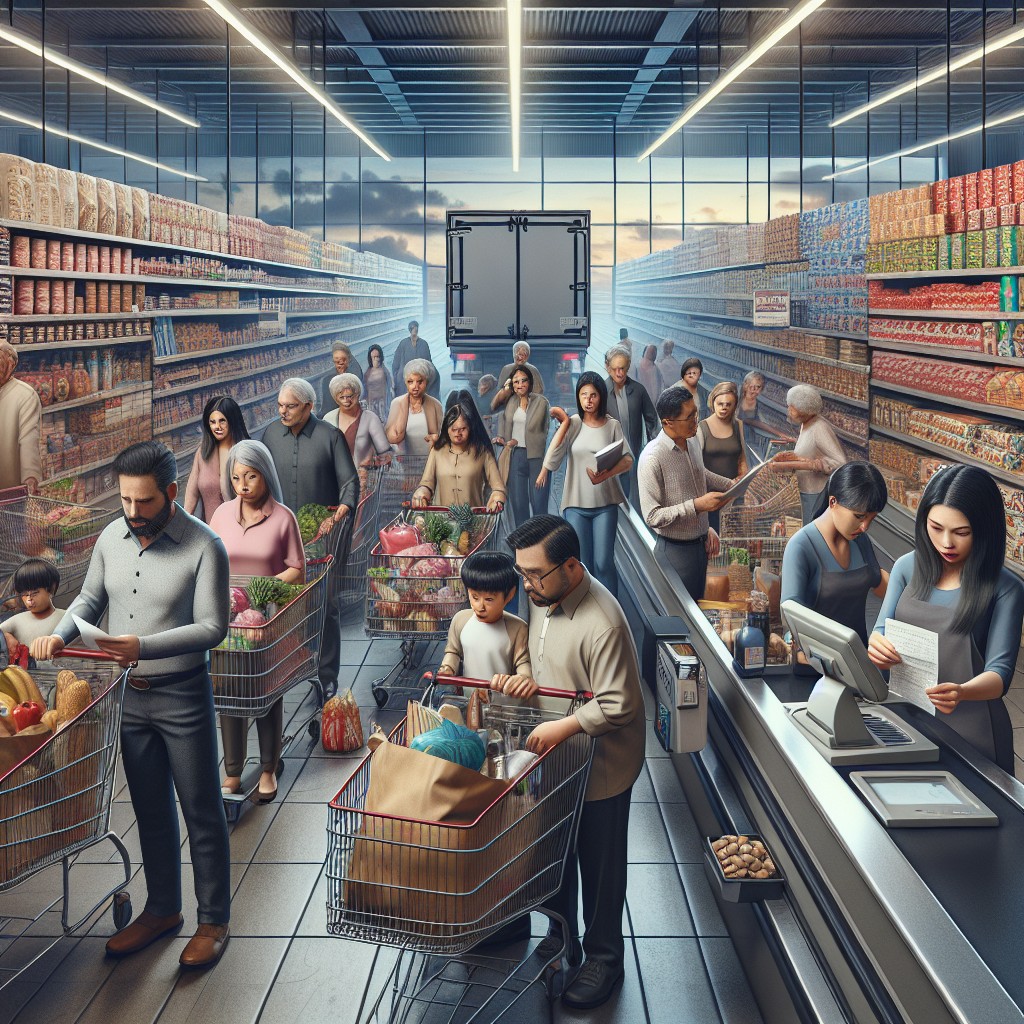
Inflation remains a central concern for consumers and policymakers worldwide, impacting the cost of living and purchasing power. Understanding the everyday inflation drivers helps individuals make informed financial decisions amid fluctuating economic conditions. While some factors are beyond a consumer’s control, others can be managed through conscious choices and awareness.
Defining everyday inflation drivers
Inflation drivers refer to the main forces that cause prices of goods and services to rise continuously over time. Everyday inflation drivers typically include changes in supply and demand, production costs, labor markets, and external shocks such as geopolitical events or natural disasters. For consumers, factors like food prices, energy costs, housing expenses, and transportation fares often reflect these drivers and have a direct impact on monthly expenses.
Supply chain disruptions and commodity prices
One of the significant inflation drivers in recent years has been disruptions in global supply chains. Events such as the COVID-19 pandemic created bottlenecks, delaying shipments and raising freight costs. Additionally, fluctuations in commodity prices, including oil and raw materials, can push production costs higher, which manufacturers often pass on to consumers. These dynamics increase retail prices for everyday items, from groceries to electronics, contributing to overall inflation.
Labor market pressures and wage growth
Labor costs constitute a substantial portion of the expenses behind many products and services. When unemployment rates are low and job vacancies high, employees gain bargaining power for higher wages. Wage growth can lead to increased consumer spending but also elevated costs for businesses, which may raise prices to maintain profitability. Thus, labor market conditions are a persistent and notable inflation driver in many economies worldwide.
Energy costs and their ripple effect
Energy prices play a pivotal role in shaping inflation patterns. Increases in crude oil, natural gas, and electricity prices affect not only household utility bills and transportation costs but also production and distribution expenses across industries. Since energy is a fundamental input, higher energy costs cascade through the economy, amplifying inflationary pressures on various consumer goods and services.
What consumers can control amid inflation drivers
While wide-scale inflation drivers often lie beyond individual influence, consumers can take actionable steps to mitigate personal financial impact. Adjusting spending habits, prioritizing essential purchases, seeking value alternatives, and enhancing energy efficiency in households are practical approaches. Additionally, consumers can benefit from budgeting and price comparison tools to navigate volatile price environments more effectively. Understanding the nature of inflation drivers empowers individuals to make choices that reduce susceptibility to rising costs.
Conclusion
Current everyday inflation drivers largely stem from interconnected global and domestic factors including supply chain disruptions, labor market dynamics, and energy price fluctuations. While consumers cannot control macroeconomic conditions, awareness of these drivers enables more strategic decision-making. Looking ahead, policymakers’ efforts to stabilize supply chains and manage labor market imbalances will be critical to moderating inflation. For consumers, adopting adaptable spending practices will remain essential in navigating ongoing price changes.
Frequently Asked Questions about inflation drivers
What are the main inflation drivers affecting everyday consumer prices?
The main inflation drivers impacting everyday prices include supply chain disruptions, rising energy costs, labor market pressures, and fluctuations in commodity prices. These factors increase production and distribution expenses, leading to higher consumer prices.
Can consumers influence inflation drivers through their spending choices?
While consumers cannot directly control broad inflation drivers, their spending choices such as prioritizing essential goods, seeking discounts, and reducing energy consumption can mitigate personal financial effects caused by inflation.
How do labor market conditions act as inflation drivers?
Labor market conditions impact wages; when wages rise due to low unemployment or high demand for workers, businesses often raise prices to offset increased labor costs, making wage trends significant inflation drivers.
Why do energy prices have a strong effect on inflation drivers?
Energy prices affect the cost of transportation, manufacturing, and utilities. Since energy is a critical input in many sectors, changes in its price ripple throughout the economy, influencing inflation drivers and consumer prices broadly.
Where can I find reliable information on inflation drivers and trends?
Trustworthy information on inflation drivers can be found through official sources such as government statistical agencies, central banks, and international financial institutions like the International Monetary Fund and the U.S. Bureau of Labor Statistics.